


If you're planning to start a garden or improve your soil, you've probably encountered two similar tools: garden tillers and cultivators.
At first glance, they look almost identical. But using the wrong tool can make gardening much harder than it needs to be.
If you've ever tried loosening hard garden soil with the wrong equipment, you know how frustrating it can be. Choosing between a tiller and a cultivator can mean the difference between an easy garden setup and hours of unnecessary work.
In this guide, we'll explain:
- The difference between a tiller and a cultivator
- When you should use each tool
- Which tool works best for different gardening scenarios
- How modern cordless tools simplify soil preparation
By the end, you'll know exactly which tool is right for your garden.

Quick Answer: Tiller vs Cultivator
A garden tiller is designed to break up compacted soil and prepare new planting areas.
A garden cultivator is used to loosen the top layer of soil, remove weeds, and maintain existing garden beds.
Simple Comparison
| Tool | Best For | Soil Depth | Typical Use |
|---|---|---|---|
| Garden Tiller | Breaking new ground | 6–12 inches | Preparing soil for planting |
| Garden Cultivator | Soil maintenance | 2–4 inches | Removing weeds & aerating soil |
In simple terms:
- Tiller = deep soil preparation
- Cultivator = light soil maintenance
Tiller vs Cultivator at a Glance
| Feature | Garden Tiller | Garden Cultivator |
|---|---|---|
| Primary Use | Break new soil | Maintain soil |
| Working Depth | 6–12 inches | 2–4 inches |
| Power Level | High | Moderate |
| Best Time to Use | Early spring | Throughout the growing season |
| Best Garden Type | New or large gardens | Existing gardens and raised beds |

What Is a Garden Tiller?
A garden tiller is a powerful soil preparation tool designed to break hard ground and prepare soil for planting.
Tillers dig deep into the soil and mix soil layers together, improving aeration, drainage, and nutrient distribution.
Common Uses for Garden Tillers
Gardeners typically use tillers when they need to:
- Start a new vegetable garden
- Break up hard or compacted soil
- Turn soil before planting
- Mix compost or fertilizer into the soil
Types of Garden Tillers
| Type | Best For |
|---|---|
| Front-Tine Tiller | Small to medium gardens |
| Rear-Tine Tiller | Large gardens and heavy soil |
| Mini or Cordless Tiller | Raised beds and home gardens |
Many homeowners now prefer compact cordless options because they are lighter, quieter, and easier to control than traditional gas-powered machines.
What Is a Garden Cultivator?
A garden cultivator is designed for ongoing soil maintenance after the garden has already been established.
Unlike tillers, cultivators work only on the top layer of soil.
Common Uses for Cultivators
Cultivators are commonly used to:
- Remove small weeds
- Loosen soil around plants
- Improve oxygen flow to plant roots
- Mix mulch or fertilizer into topsoil
Because they are lightweight and easy to maneuver, cultivators are ideal for routine garden care throughout the growing season.

Real Garden Scenarios: When to Use Each Tool
Understanding real gardening situations can help you choose the right tool.
Starting a New Vegetable Garden
If you're converting lawn or compacted soil into a garden bed, you'll need a tiller to break up the soil and mix compost.
Maintaining Raised Garden Beds
Raised beds already contain loose soil, so a cultivator works better to loosen soil without damaging plant roots.
Removing Seasonal Weeds
A cultivator can loosen soil and remove weeds before they spread across the garden.
Preparing Soil Each Spring
Many gardeners till their soil once in early spring to prepare planting areas for vegetables and flowers.
When Should You Use a Garden Tiller?
Use a tiller when:
- Starting a new garden
- Breaking hard or compacted soil
- Preparing soil for planting
- Mixing compost into garden beds
Most gardeners till soil once or twice per year, typically at the beginning of the growing season.
When Should You Use a Cultivator?
Cultivators are used more frequently during the gardening season.
Use a cultivator when:
- Weeds start appearing
- Soil becomes compact on the surface
- Plants need improved airflow around roots
- Fertilizer needs to be mixed into the topsoil
Many gardeners cultivate their soil every few weeks during the growing season.
Best Time to Weed in Different U.S. Climate Zones
Timing weed removal correctly makes garden maintenance easier.
| Climate Region | Best Time to Weed |
|---|---|
| Northeast | Early spring and after rainfall |
| Midwest | Mid-spring before weeds flower |
| Southern U.S. | Late winter to early spring |
| West Coast | Throughout the year depending on rainfall |
Weeding right after rain often makes the process easier because the soil is softer and roots come out more easily.
Common Mistakes When Using a Tiller or Cultivator
Even experienced gardeners sometimes make mistakes when preparing soil.
Using a Cultivator on Hard Soil
Cultivators are designed for surface soil only.
Tilling Soil That Is Too Wet
Wet soil can become compacted and damage soil structure.
Tilling Too Frequently
Over-tilling can harm beneficial soil microorganisms.
Working Too Close to Plant Roots
Cultivating too close to plants may damage delicate root systems.
Expert Tip for Better Soil Health
Experienced gardeners recommend loosening the top layer of soil every two to three weeks during the growing season. This improves oxygen flow to plant roots and prevents surface soil compaction.
Best Garden Tiller or Cultivator for Home Gardens
Large gas-powered tillers can be heavy and difficult to store, especially for homeowners with smaller yards.
Compact cordless garden tools have become increasingly popular because they are:
- Lightweight
- Easy to maneuver
- Quiet compared to gas engines
- Ideal for raised beds and backyard gardens
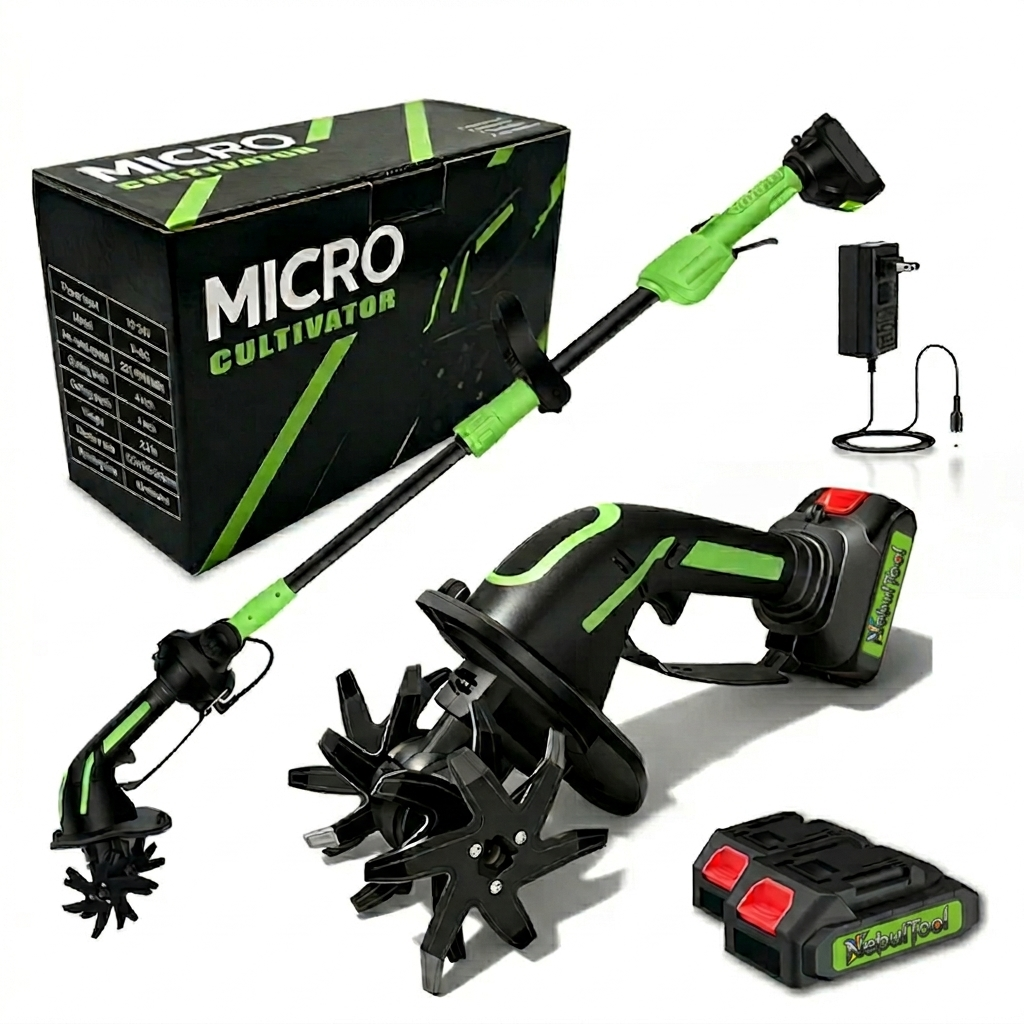
Tools like the cordless tiller cultivator from Nebultool allow homeowners to loosen soil, remove weeds, and prepare planting beds using a single versatile tool.
This type of tool is particularly useful for vegetable gardens, flower beds, and raised planters.
Tiller vs Cultivator: Which One Should You Choose?
Choose a tiller if:
- You are starting a new garden
- Your soil is compacted
- You need deep soil preparation
Choose a cultivator if:
- Your garden is already established
- You need regular weed removal
- You want to loosen topsoil around plants
For many homeowners, a compact tiller-cultivator combination tool can handle both tasks efficiently.
People Also Ask
Can a cultivator replace a tiller?
In small gardens with loose soil, a cultivator may handle light soil preparation. However, compacted soil usually requires a tiller.
Do gardeners need both tools?
Some gardeners use a tiller in early spring and a cultivator throughout the growing season.
Is a mini tiller worth it?
Mini tillers are ideal for raised beds and small backyard gardens where large machines are unnecessary.
Frequently Asked Questions
Is a cultivator the same as a tiller?
No. A tiller prepares soil for planting, while a cultivator maintains the top layer of soil.
Can a cultivator break hard soil?
Not effectively. Hard soil usually requires a tiller first.
Are cordless tillers powerful enough?
Modern cordless tools are powerful enough for most home gardening tasks, especially in smaller gardens and raised beds.
Final Thoughts
Both tillers and cultivators play an important role in gardening.
A tiller prepares soil for planting, while a cultivator helps maintain soil health during the growing season.
For many homeowners, a compact cordless tool from Nebultool offers the versatility needed to handle both soil preparation and routine garden maintenance.
0 comments